Showing posts with label pressed flowers. Show all posts

Friday, March 10, 2023

Oshibana art in wabi sabi style

Oshibana, an ancient Japanese art form, involves meticulously selecting and pressing plants, flowers, and leaves to craft intricate and stunning designs. This practice dates back to the Edo period, where it was utilized for spiritual purposes and to enhance floral arrangements' aesthetic appeal. Even today, Oshibana continues to be a popular art form, both traditionally and as a modern craft, across Japan and worldwide.

By displaying these pressed flower frames in your home, office, or bedroom, you can add a touch of beauty and tranquility to your surroundings. These frames boast exquisite details and striking colors, resulting in a unique masterpiece that is bound to spark conversations.

Power of imperfection

Wabi-sabi, a Japanese design aesthetic, values simplicity, naturalness, and the allure of imperfection. It is a philosophy that exalts life's imperfect and fleeting aspects, including the natural cycle of growth, decay, and regeneration. Wabi-sabi style in home decor incorporates elements of nature, such as rough-hewn wood, organic shapes, and natural fibers, to produce a tranquil and serene atmosphere. The primary aim is to foster mindfulness and appreciation of the present moment, while bringing a sense of calm and tranquility to the surroundings. Wabi-sabi decor frequently involves handcrafted items that exhibit the marks of time and use, such as textured pottery and furniture with visible knots in the wood. The goal is to create a welcoming, authentic, and cozy environment that is in harmony with the natural world.
 

Saturday, February 11, 2023

Biophilic designing

Biophilic design is an approach to design that emphasizes the connection between humans and nature. This design philosophy is based on the idea that human beings have an innate tendency to seek out and connect with nature, and that incorporating elements of nature into our built environment can have positive impacts on our health, well-being, and overall quality of life.

In practice, biophilic design incorporates elements of nature into our buildings, homes, and workspaces through features such as green walls, indoor plants, natural light, views of nature, and other similar elements. Studies have shown that biophilic design can help to reduce stress, improve mood, enhance cognitive function, and promote physical health, among other benefits. As such, it is becoming increasingly popular in a wide range of applications, from residential homes and commercial spaces to healthcare facilities and schools.

Pressed flower frames can be considered biophilic as they bring elements of nature into our built environment. By displaying pressed flowers in frames, you can bring the beauty and diversity of the natural world into your home or office. This can have positive impacts on your well-being, such as reducing stress, improving mood, and promoting a sense of peace and tranquility.

Additionally, the process of pressing flowers itself can be a form of mindfulness and meditation, promoting a connection with nature and helping to reduce stress and anxiety. So, incorporating pressed flower frames into your decor can be a great way to incorporate biophilic design into your space and promote a sense of well-being.


Thursday, February 9, 2023

Evergreen heathers

Heathers are a group of evergreen and deciduous shrubs that belong to the Ericaceae family. They are native to Europe, Asia, and North America, and are known for their delicate, bell-shaped flowers and evergreen foliage.

There are many different species of heathers, each with its own unique characteristics, such as different flower colors, growth habits, and foliage textures. Some of the most popular species include Scottish heather, Spanish heather, and bell heather.

Heathers are popular ornamental plants and are often grown in gardens, parks, and natural landscapes. They are low-maintenance plants and are well-suited to a variety of growing conditions, including well-draining soils, partial shade, and acidic soils.

In addition to their ornamental value, heathers also play an important role in the ecosystem, providing food and habitat for wildlife, such as bees, butterflies, and other pollinators. They are also important components of moorland and heathland habitats, helping to stabilize the soil and provide important ecosystem services.

Pressed and dried heathers make for stunning and unique decor pieces, preserving the delicate beauty of these plants in a timeless way. Using heathers in your decor brings a touch of nature into your home, and the dried blooms can last for many years, making them a long-lasting addition to any space.

Pressed and dried heathers can be used in a variety of ways, such as in picture frames, shadow boxes, or on their own as a decorative accent. They can also be combined with other pressed and dried flowers to create a beautiful and intricate floral display.

Whether displayed in a prominent place or tucked away in a quiet corner, pressed and dried heathers are a versatile and attractive decor element. They are a great way to bring the beauty of nature into your home, and make for wonderful gifts for anyone who loves flowers and plants.


Endangered plants

Endangered plants are species of plants that are at risk of extinction due to habitat loss, climate change, disease, over-collection, or other factors. According to the International Union for Conservation of Nature (IUCN), there are over 26,000 species of plants that are considered endangered, which represents nearly one-fifth of all known plant species.

Endangered plants play an important role in the ecosystem and can provide numerous benefits to humans, such as food, medicine, and oxygen. It's important to protect and conserve endangered plant species to ensure their survival and maintain biodiversity. This can be done through conservation efforts, such as habitat preservation, reforestation, and controlled harvesting, as well as by reducing the demand for rare or threatened plants.

If you have picked an endangered flower, it's important to take steps to protect it and support its conservation. Here are some things you can do:
  1. Return it to its original location: If the plant is still alive, it's best to return it to its original location as soon as possible to minimize the impact of removal on its population and habitat.
  2. Support conservation efforts: Consider making a donation to organizations that work to protect endangered species and their habitats.
  3. Reduce demand: Be mindful of the products you purchase and choose not to buy items made from endangered plants, such as orchid arrangements or flower bouquets made from rare species.
  4. Spread awareness: Share information about the importance of protecting endangered plants and the negative impact of over-collection and habitat destruction on their survival.
  5. Obtain permits: If you are a researcher, botanist, or horticulturist, make sure to obtain proper permits before collecting or working with endangered plants.

It's important to remember that the survival of endangered plants is critical to the health of the ecosystem and the maintenance of biodiversity. By taking steps to protect them, you can help ensure their survival for future generations.

To find information about endangered plants in your area, you can try the following resources:

  1. Local botanical gardens or arboreta: Many botanical gardens have information about local endangered plants and may have specimens on display.
  2. Government agencies: Contact your local or state government's natural resource or environmental agency for information about endangered plants in your area.
  3. Conservation organizations: Organizations such as The Nature Trust or The Nature Conservancy may have information about endangered plants in your area and ongoing conservation efforts.
  4. Online databases: Websites like the IUCN Red List of Threatened Species or the USDA Plants Database can provide information about endangered plants, including their distribution and status.
  5. Local university or museum: Local universities or natural history museums may have information about the local flora, including any endangered species.

It's important to be mindful of the habitats of endangered plants and not disturb them without proper permission. By supporting conservation efforts and reducing the demand for rare or threatened plants, you can help ensure the survival of these species.


Monday, August 8, 2022

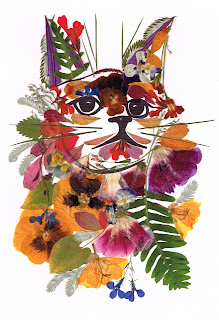
Floral cats made of pressed and dried flowers


Dried and pressed flowers are a wonderful material for creating animal arrangements. Small twigs, tiny leaves, colorful petals and leaves.
Cats usually come in subdued colors - black, brown, gray, white. Thanks to building them from flowers, we have bright, full-color images that are perfect for a gift for a cat lover.
 

Sketching the silhouette 

You can use a photo of a cat from the internet. Lightly sketch the shape of the head with a pencil, the position of the ears, eyes and nose. These are the most important elements. I always paint my eyes and nose with a black marker because they are the most important for the whole composition. 
 

Filling with dried flowers 

You can easily use large flowers and leaves to fill the surface. I build small spaces from small leaves and smaller flowers. A cat's mouth is usually made of small petals of different flowers. The whiskers are, of course, meadow grasses or thin twigs. Dried wheats also works great. Pressed ferns give a vivid green color, yellow from pansy and evening primrose, blue from tiny lobelia flowers. Fluffy ears are made from small leaves with jagged tips. Red geranium flowers are perfect for balancing yellows in whole composition. My flower cats find their new homes quickly, but for those who are interested, I have prepared a section with digital images in my Etsy shop. You can print Your own floral cats at home, or send files to print on demand companies.

Thursday, August 4, 2022

Pressed flower art - birds made of dried plants

Working with dried plants and pressed flowers for many years I discovered how many ideas can be realized using this natural material. Today I am going to show you a few ideas how to build images of birds using dried flowers.
 
The works you see here were made of real plants and flowers. More precisely, it is made of flower petals, small leaves from trees and shrubs, and even broken flower parts. They are always unique models and already found their owners in my Etsy shop.

The most important part of preparing such a job is finding the right picture of a bird. I am always inspired by old chinese and japanese paintings in style called Ink wash painting (shuǐmòhuà; suiboku-ga, sumi-e; sumukhwa). Suibokuga is a style of monochrome painting characterized by the use of just two things, black ink (sumi) and water. Deceptively simple, suibokuga artists make use of these two seemingly mundane materials to create a complex world of light, form, and even texture.  
Sumi-e style painting (left) vs my interpretation made of pressed plants (right)
 
Then we select the materials, sometimes a few leaves, small flowers and twigs are enough. Sometimes the arrangement of the picture goes smoothly, and sometimes I have to throw away my work. One thing is for sure - it takes a lot of patience. But when You get everything right You will get a simple, minimalist floral home decor. Full of colors and nature accents. Perfect gift for many occasions.


Tuesday, August 2, 2022

Flowers and plants drying kit

All you really need is to want to dry the flowers. To start, you don't have to pay for anything. Did you bring a meadow bouquet from the bike trip? Let's start.
 

Separate and review the plants

Gently separate the plants and flowers, and put the broken and squashed ones aside. If some have started to wilt - don't worry, it's part of the drying process. If some of the flowers started to lose their petals, collect them - you can dry them separately and then "rebuild" the flower from the dry elements. You can separate the flowers from the stems, cut off the leaves and buds, and dry everything separately. See if it is possible to remove thick centers in flowers without disturbing the structure of the plant. You can try to cut them with small scissors.

Pressing and drying in books

Prepare paper towels or other paper sheets from raw paper. Arrange the plants with space in between, put a paper towel on top, close the page. Don't put it on the next page right away, flip more pages. Fill a book and put it under a pile of other books, or under something else that is heavy. Try to put weight on the book so you can keep it closed. Check out this article for some more tips.
 

Flower press  

You can buy a flower press or ask someone to help make one yourself. I used two kitchen boards (thick, solid wood) to make my press. Bolts and wide nuts were also needed. In such a flower press, you can easily place entire books or individual plants into paper towels. For a better pressure distribution, I also prepared additional piecies of cardboard to put in between the books and paper towels. I squeeze the press as much as I can. After 2 days, I loosen the screws, check the condition of the plants. If there is a lot of moisture, I open the press, pull out the moist papers with plants and put them on a table. After a day, everything dries up nicely. You can re-insert them in the press for a few days.


Drying without special supervision 

The technique described above is for drying whole flowers and plants, stems with leaves, sets of flower buds, and all plants that may contain a lot of moisture. But if you decide to dry leaves, grasses, delicate flowers (such as pansies or violets) or the flower petals themselves, you can simply arrange them in books and put them on a shelf. Without any special checking or heating, in about 3 weeks you will have the material ready to make decorations.

Monday, August 1, 2022

Summer - an endless inspiration

I love fall, I appreciate spring, but summer is definitely the best time to pick flowers and plants. It is definitely worth trying to dry everything you like - only petals, whole flowers, stems with flowers and only leaves. You can find important information and my set of necessary accessories in this blog article.


The best time to harvest in garden  

We do not always have the ability to track the stages of plant growth. If we have a garden, we usually realize what has bloomed and when. In such a situation, it is best to pick the flowers when they are shaped and have the right color. You can also pick undeveloped forms and flower buds. This gives you more options in creating decorations. It is best to pick the flowers in the morning (if it has not rained at night), when they have already spread the petals, but the sun has not warmed them up too much.


What about harvesting in wild meadows and woodlands? 

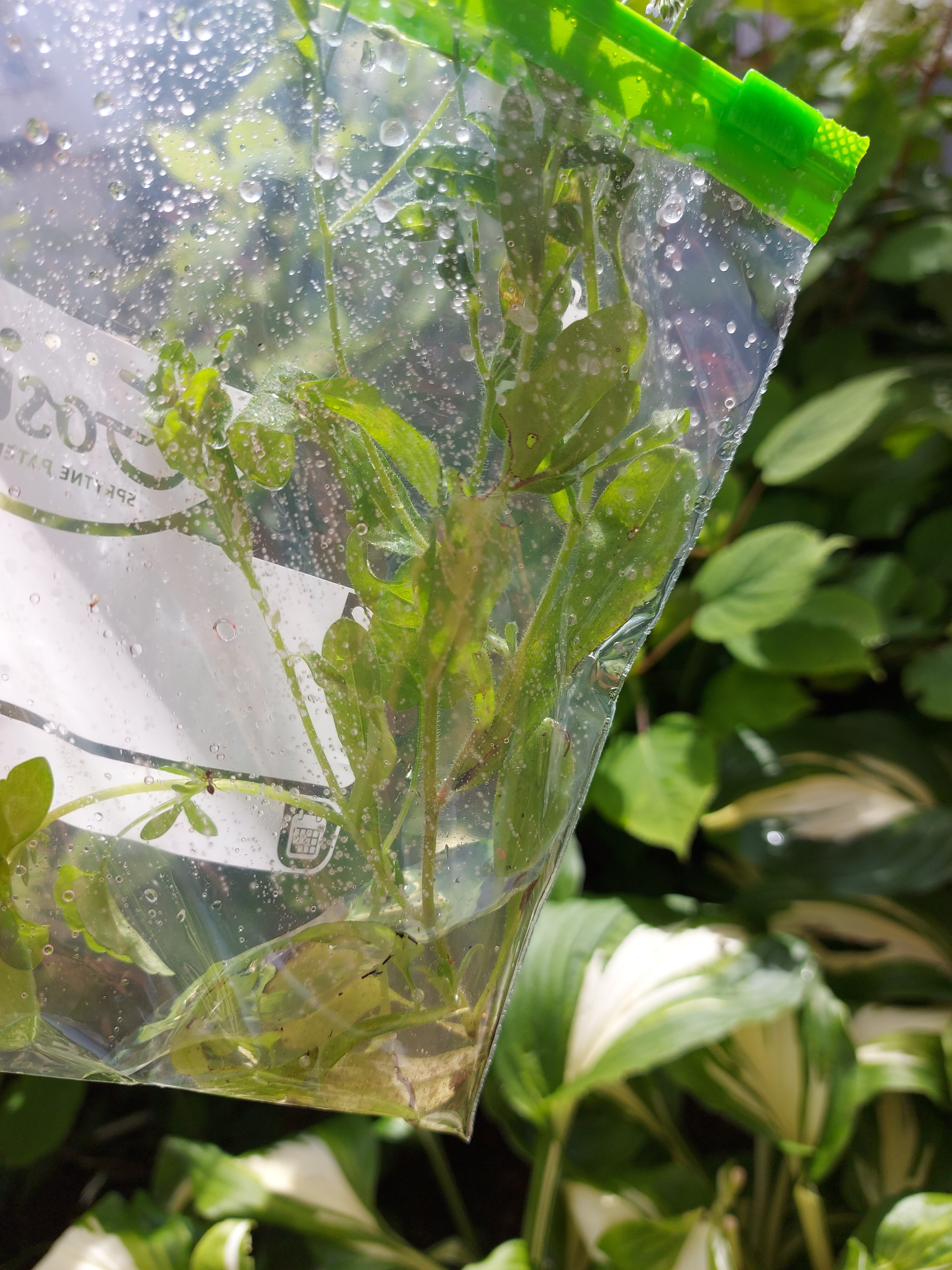
Collect what you want, when you want! Since you don't know when the flowers have bloomed, take more from a given species at different stages of development. Plastic bags with a little water will be the best for transport. If possible, uproot the plant, clean it and put it in a bag of water. You can only sprinkle the plants with water and seal them in a plastic kitchen bowl or boxes.
If you can, take more than you think you need. Some plants will break, peel off the petals and have to be thrown away. Don't worry, it's normal. 


Have fun collecting! 

Such tours in search of plants are a really fun way to spend your free time. If you want you can go by bike, you can take your kids, friends or acquaintances. I guarantee that everyone will come back with their bouquet. Remember - try to watch out for plants that are endanger. Be sure the one You are collecting are not under special environmental protection.