Showing posts with label harvesting flowers. Show all posts

Saturday, February 11, 2023

Biophilic designing

Biophilic design is an approach to design that emphasizes the connection between humans and nature. This design philosophy is based on the idea that human beings have an innate tendency to seek out and connect with nature, and that incorporating elements of nature into our built environment can have positive impacts on our health, well-being, and overall quality of life.

In practice, biophilic design incorporates elements of nature into our buildings, homes, and workspaces through features such as green walls, indoor plants, natural light, views of nature, and other similar elements. Studies have shown that biophilic design can help to reduce stress, improve mood, enhance cognitive function, and promote physical health, among other benefits. As such, it is becoming increasingly popular in a wide range of applications, from residential homes and commercial spaces to healthcare facilities and schools.

Pressed flower frames can be considered biophilic as they bring elements of nature into our built environment. By displaying pressed flowers in frames, you can bring the beauty and diversity of the natural world into your home or office. This can have positive impacts on your well-being, such as reducing stress, improving mood, and promoting a sense of peace and tranquility.

Additionally, the process of pressing flowers itself can be a form of mindfulness and meditation, promoting a connection with nature and helping to reduce stress and anxiety. So, incorporating pressed flower frames into your decor can be a great way to incorporate biophilic design into your space and promote a sense of well-being.


Thursday, February 9, 2023

Evergreen heathers

Heathers are a group of evergreen and deciduous shrubs that belong to the Ericaceae family. They are native to Europe, Asia, and North America, and are known for their delicate, bell-shaped flowers and evergreen foliage.

There are many different species of heathers, each with its own unique characteristics, such as different flower colors, growth habits, and foliage textures. Some of the most popular species include Scottish heather, Spanish heather, and bell heather.

Heathers are popular ornamental plants and are often grown in gardens, parks, and natural landscapes. They are low-maintenance plants and are well-suited to a variety of growing conditions, including well-draining soils, partial shade, and acidic soils.

In addition to their ornamental value, heathers also play an important role in the ecosystem, providing food and habitat for wildlife, such as bees, butterflies, and other pollinators. They are also important components of moorland and heathland habitats, helping to stabilize the soil and provide important ecosystem services.

Pressed and dried heathers make for stunning and unique decor pieces, preserving the delicate beauty of these plants in a timeless way. Using heathers in your decor brings a touch of nature into your home, and the dried blooms can last for many years, making them a long-lasting addition to any space.

Pressed and dried heathers can be used in a variety of ways, such as in picture frames, shadow boxes, or on their own as a decorative accent. They can also be combined with other pressed and dried flowers to create a beautiful and intricate floral display.

Whether displayed in a prominent place or tucked away in a quiet corner, pressed and dried heathers are a versatile and attractive decor element. They are a great way to bring the beauty of nature into your home, and make for wonderful gifts for anyone who loves flowers and plants.


Wednesday, February 8, 2023

Beautiful and dangerous

Yes, some flowers can be dangerous and even poisonous. Certain flowers contain toxic compounds that can be harmful if ingested or if their sap or pollen comes into contact with the skin. 


Dried flowers can still contain toxic compounds, although the level of toxicity may vary depending on the type of flower and the drying process used. In some cases, the toxic compounds can become more concentrated during the drying process, making dried flowers more hazardous than fresh flowers. It's important to be aware of the toxic potential of certain flowers and to keep them away from children and pets. If you have concerns about a specific plant or flower, you can consult with a local nursery or garden center for more information.


If you have come into contact with a poisonous flower, it's important to take immediate action to minimize the risk of harm: 

  • Wash your skin: If the poison has come into contact with your skin, wash the affected area with soap and water as soon as possible.

  • Rinse your eyes: If you have gotten the sap or pollen of a poisonous flower in your eyes, rinse your eyes thoroughly with water for at least 15 minutes.

  • Seek medical attention: If you have ingested any part of a poisonous flower, or if you are experiencing symptoms such as skin irritation, eye redness or swelling, or nausea, it's important to seek medical attention immediately.

  • Identify the plant: If possible, try to identify the type of flower you have come into contact with, so that you can provide this information to the medical professional.

It's important to remember that different poisonous plants can cause different symptoms and require different treatments, so prompt and appropriate medical attention is essential. 

The symptoms of poison from a flower can vary depending on the type of flower and the extent of exposure. Some common symptoms include:

  • Skin irritation: Some flowers produce sap or pollen that can cause skin irritation, redness, itching, and blistering.

  • Eye irritation: Flowers that produce a lot of pollen or sap can cause eye irritation, redness, and swelling.

  • Nausea and vomiting: Ingestion of poisonous flowers can cause nausea, vomiting, and diarrhea.

  • Dizziness and confusion: Consuming poisonous flowers can also cause dizziness, confusion, and disorientation.

  • Respiratory distress: Some flowers produce toxins that can irritate the respiratory system, causing symptoms such as coughing, wheezing, and difficulty breathing.

  • Cardiac symptoms: Some flowers contain toxic compounds that can affect the heart, causing symptoms such as palpitations, irregular heartbeat, and low blood pressure.

  • Seizures and muscle tremors: In severe cases, exposure to poisonous flowers can cause seizures and muscle tremors.

These are just some of the possible symptoms of poison from flowers. If you are experiencing symptoms after coming into contact with a flower, it's important to seek medical attention immediately.


Monday, August 1, 2022

Summer - an endless inspiration

I love fall, I appreciate spring, but summer is definitely the best time to pick flowers and plants. It is definitely worth trying to dry everything you like - only petals, whole flowers, stems with flowers and only leaves. You can find important information and my set of necessary accessories in this blog article.


The best time to harvest in garden  

We do not always have the ability to track the stages of plant growth. If we have a garden, we usually realize what has bloomed and when. In such a situation, it is best to pick the flowers when they are shaped and have the right color. You can also pick undeveloped forms and flower buds. This gives you more options in creating decorations. It is best to pick the flowers in the morning (if it has not rained at night), when they have already spread the petals, but the sun has not warmed them up too much.


What about harvesting in wild meadows and woodlands? 

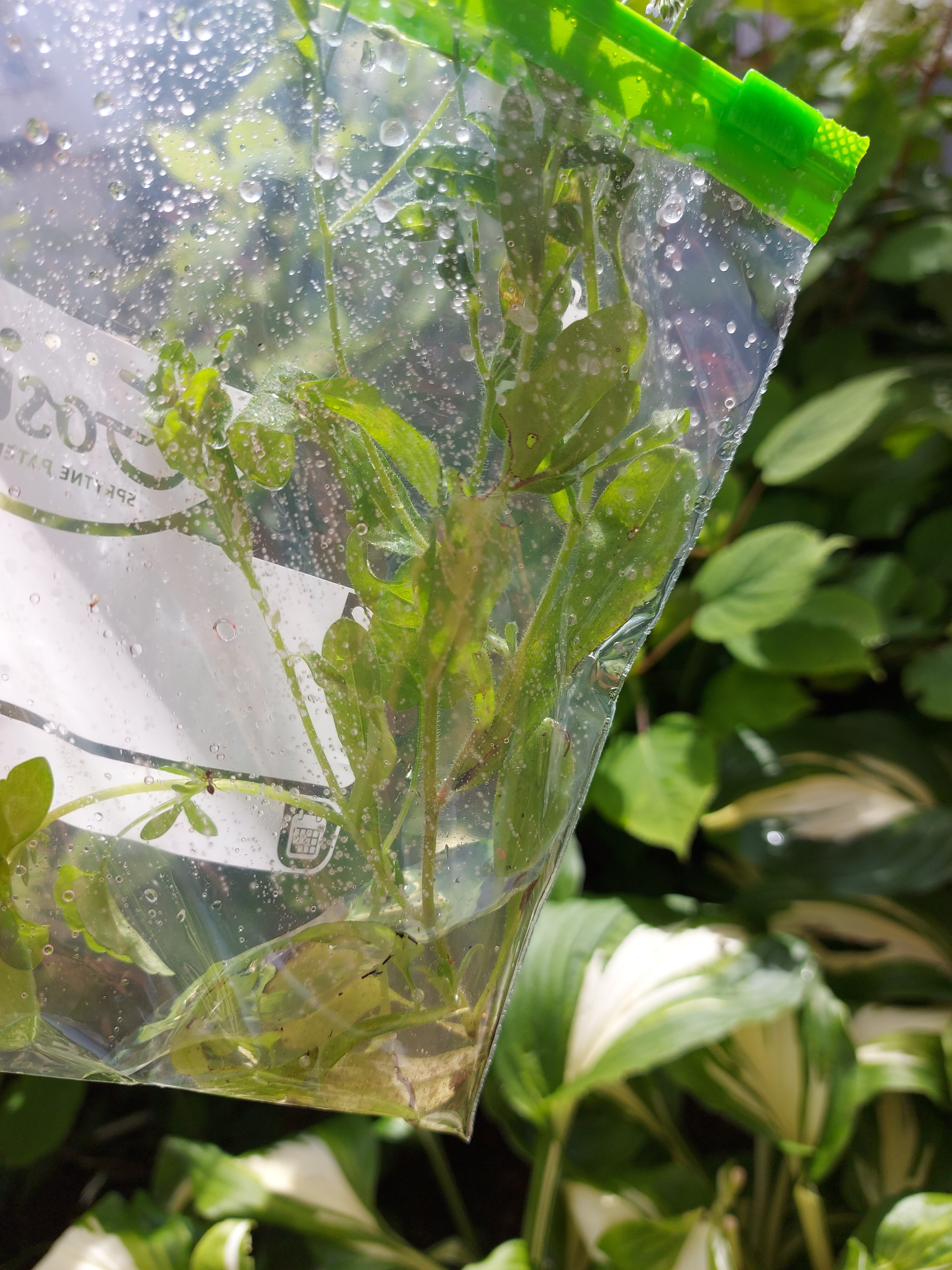
Collect what you want, when you want! Since you don't know when the flowers have bloomed, take more from a given species at different stages of development. Plastic bags with a little water will be the best for transport. If possible, uproot the plant, clean it and put it in a bag of water. You can only sprinkle the plants with water and seal them in a plastic kitchen bowl or boxes.
If you can, take more than you think you need. Some plants will break, peel off the petals and have to be thrown away. Don't worry, it's normal. 


Have fun collecting! 

Such tours in search of plants are a really fun way to spend your free time. If you want you can go by bike, you can take your kids, friends or acquaintances. I guarantee that everyone will come back with their bouquet. Remember - try to watch out for plants that are endanger. Be sure the one You are collecting are not under special environmental protection.